
 By Gregory Nassief
When traveling internationally, most people think about what to pack, where to go, and how to stay connected. What they don’t think about — and what can have the greatest impact on their well-being — is what happens if they get sick or injured in a place where no one knows who they are, what conditions they have, or what care they’ve had before.
Continuity of care — keeping your medical history, treatment decisions, and communication consistent — is something travelers overlook until it’s too late. And while the risks are amplified when traveling abroad, they exist even 100 miles from home if you’re outside your regular medical network.
According to the CDC’s Yellow Book, which guides travel health preparation, “continuity of care can be disrupted when patients are treated by providers unfamiliar with their medical history or baseline health.” The World Health Organization adds that preventable medical errors — often caused by poor handoffs and missing records — remain a leading contributor to travel-related health complications.
Whether you’re hiking in Peru or visiting relatives in a nearby state, being medically unknown in an unfamiliar system puts you at risk. But with the right preparation — and the right advocate — you can change that.
What Continuity of Care Really Means for Travelers
Continuity of care doesn’t just mean having access to a doctor. It means ensuring that you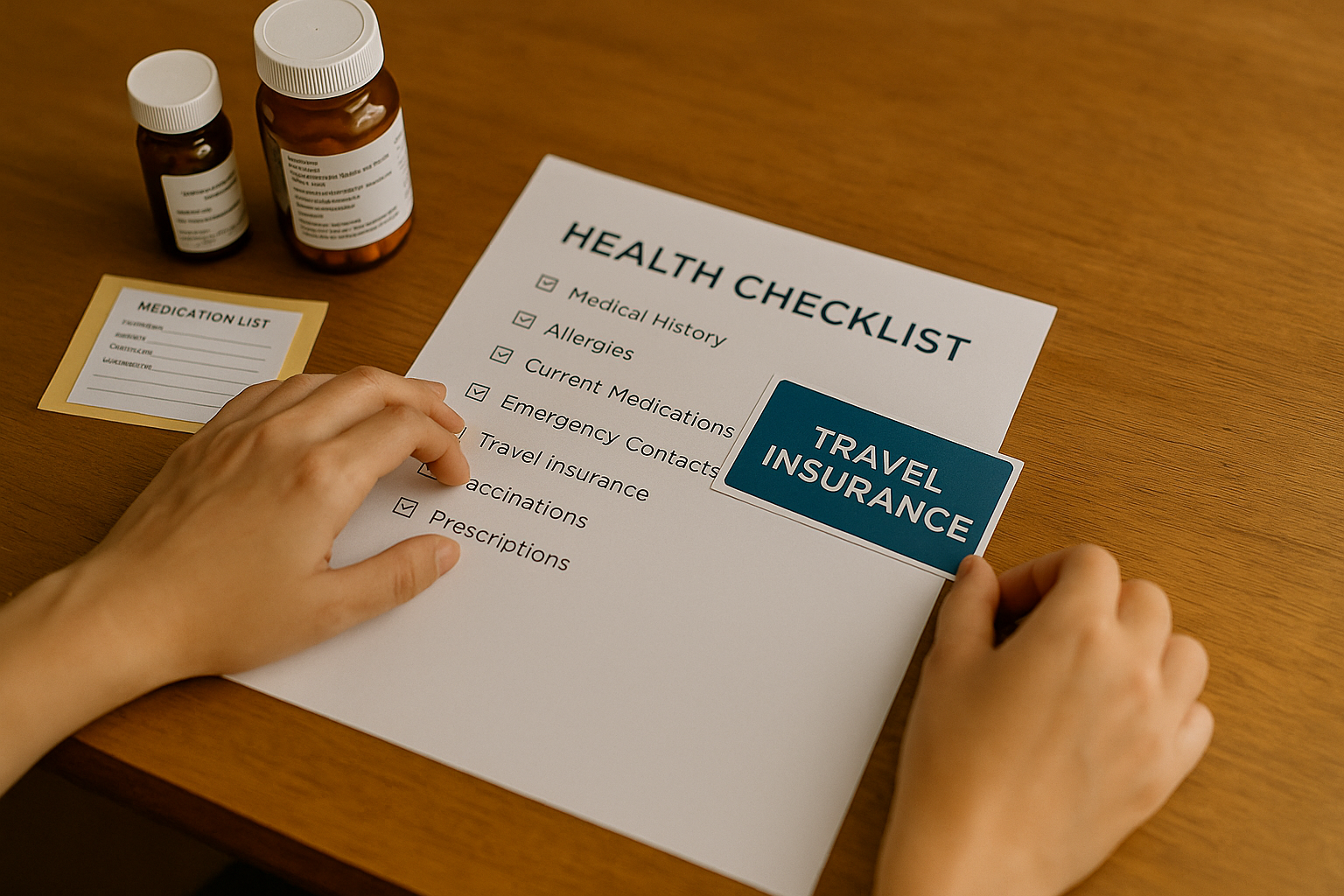 r full medical story follows you — including chronic conditions, past surgeries, current medications, allergies, and important diagnostic results.
That story often doesn’t cross borders easily. And it can just as easily get lost across hospital systems, even domestically.
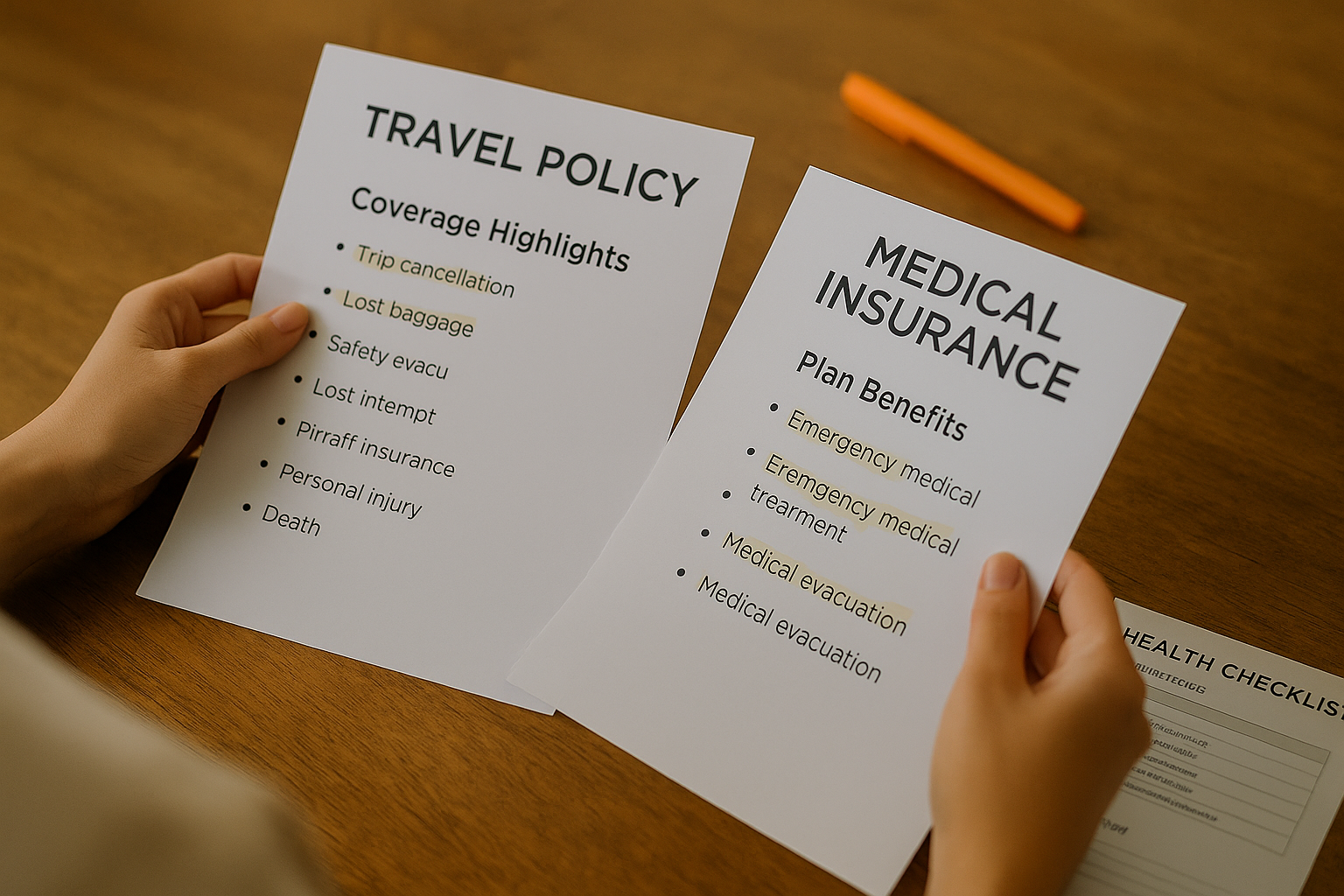
Many insurance plans require travelers to use out-of-network providers while away, limiting communication between doctors. Some foreign hospitals don’t use electronic health records compatible with U.S. systems. And in emergencies, even basic information like medication allergies may not be readily available unless you’ve planned ahead.
Data from international insurers like Allianz and Global Rescue show that travelers with chronic conditions or recent surgeries are more likely to experience complications when their medical history isn’t clearly communicated. A 2024 study by the International Society of Travel Medicine found that travelers who had an emergency health summary available during a hospital visit received treatment 40% faster on average.
The Role of an Advocate: Family, Friend, or Professional
One of the most powerful ways to protect yourself while traveling is to have an advocate — someone who can speak for you when you can’t,  help coordinate your care, and ensure nothing critical is missed.
This advocate might be:
-
A family member who knows your history and has access to your records
-
A trusted friend who can coordinate from afar
-
A professional advocate, such as those offered by services like Six Kind, who are trained to manage medical communication across languages, time zones, and systems
Professional advocates can work globally, assisting with:
-
Coordination between local providers and your home physician
-
Managing documentation and follow-up instructions
-
Arranging medical evacuations, if needed
-
Tracking your recovery and ensuring your return home is supported
Even within the U.S., a professional advocate can make a difference if you’re hospitalized away from your local care team. Different states and health systems use different protocols — and an advocate ensures that critical details don’t fall through the cracks.
Before You Go: Preparation Is the First Step
Preparing for travel health emergencies is easier than most people realize — and much safer than assuming it will all work out.
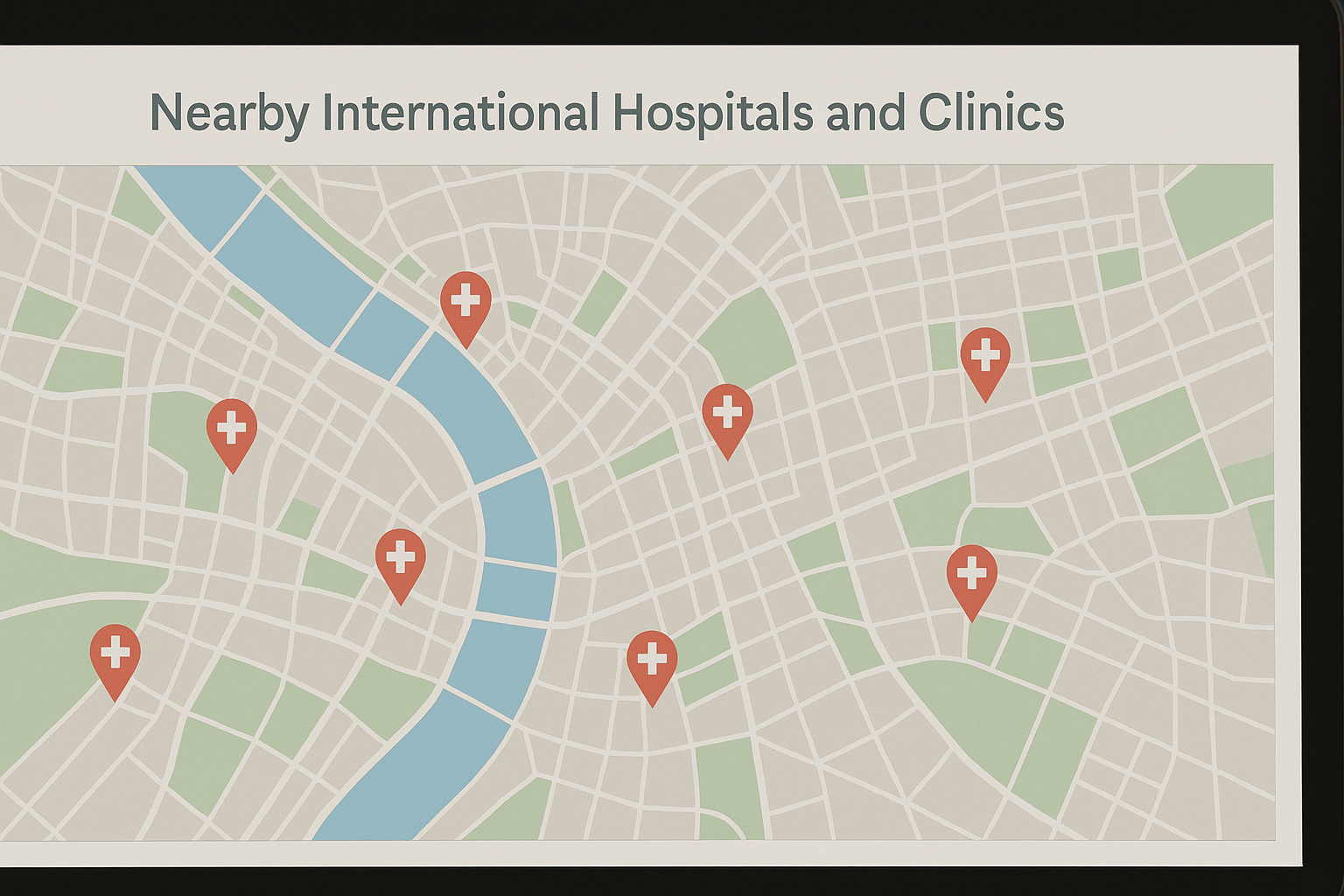 Experts from the U.S. State Department and the CDC recommend travelers carry:
-
A brief medical summary: conditions, medications, allergies, surgeries
-
Copies of recent lab results or imaging (especially if traveling with an existing diagnosis)
-
A list of emergency contacts, including your doctor
-
Your insurance policy card and international hotline number
-
A signed form giving your advocate (family or professional) permission to access your health information
Many travelers now use encrypted health apps or cloud folders to store this information. But paper copies — and someone who knows where they are — still matter in a crisis.
Your book, What to Do If You Get Sick or Injured While Abroad, offers a simple checklist to make this part easier. It’s a trusted resource used by both new travelers and experienced expats to prepare for the unexpected.
If You Get Sick or Hurt While Abroad
If something goes wrong during your trip, you may be alone or unable to communicate effectively. That’s where having an advocate can make all the difference.
In those moments, your advocate can:
-
Speak directly with the hospital or clinic on your behalf
-
Share your records securely
-
Confirm that your treatment aligns with pre-existing conditions
-
Coordinate with your U.S. doctor and specialists
-
Translate medical instructions or reports, when needed
Insurers like Medjet and Global Rescue emphasize that “speed of communication and access to complete health records are critical factors in patient outcomes,” especially when care involves multiple countries or languages.
Medical Evacuation: Not Just for Remote Destinations
When care isn’t available where you are, evacuation becomes necessary — whether from a small island abroad or a rural hospital in your own country.
Medical evacuation may sound extreme, but it’s surprisingly common. Many international insurance policies include it, and most providers report it being used for both international and domestic transfers.
This is where an advocate steps into a high-stakes role:
-
Working with the evacuation team
-
Transmitting all necessary documentation
-
Coordinating with receiving facilities
-
Making sure your home provider is ready when you land
Evacuations without proper documentation can be delayed or mismanaged. An advocate ensures that your care continues seamlessly, even in the air.
Coming Home Is Part of the Plan
Once you’re back in your home city or country, you’re not done yet.
Your recovery depends on what happens next:
-
Did your home doctor receive all records?
-
Are medications aligned between providers?
-
Is follow-up care in place?
Advocates — especially professionals — can help ensure nothing gets lost during the transition home. They assist with record transfers, follow-up appointments, and insurance reconciliations. For travelers without that help, post-travel complications often become the hidden cost of poor preparation.
Travel Is Unpredictable. Your Health Plan Doesn’t Have to Be.
Whether you’re traveling internationally or just crossing state lines, continuity of care and strong advocacy can dramatically change how medical events unfold.
Being prepared means:
-
Carrying a simple medical summary
-
Giving someone permission to act on your behalf
-
Having a trusted advocate — friend, family, or professional — who’s ready to step in when it counts
With support from services like Six Kind, or a well-prepared personal advocate, you don’t have to navigate illness or injury alone — no matter where it happens.
Download your free copy of What to Do If You Get Sick or Injured While Abroad — a practical guide to preparing for medical emergencies, finding safe care, and recovering with confidence.
[Download Now]
Gregory Nassief is the author of What to Do if You Get Sick or Injured While Traveling Abroad and founder of Six Kind, LLC. He writes on travel resilience, medical preparedness, and how to navigate uncertainty with confidence.